safety

Neighborhood · Incorporated city
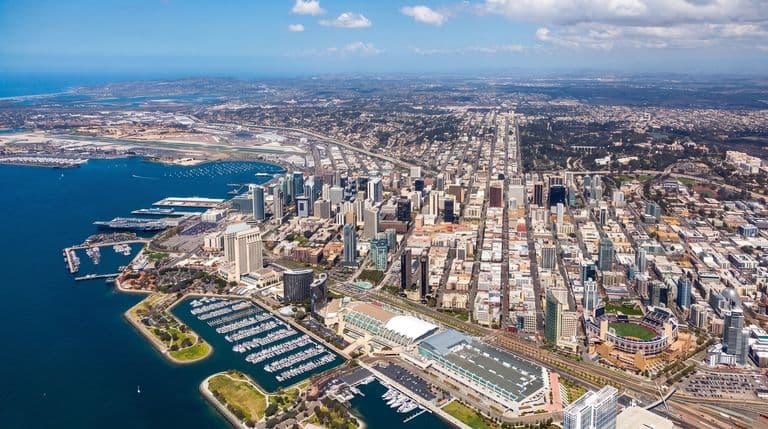
The second largest city in the county — a bayfront under construction, Third Avenue, and the eastern master-planned half.
Population
Median home value
Aug high / Jan low
To downtown
safety
safety
civic
civic
safety
food
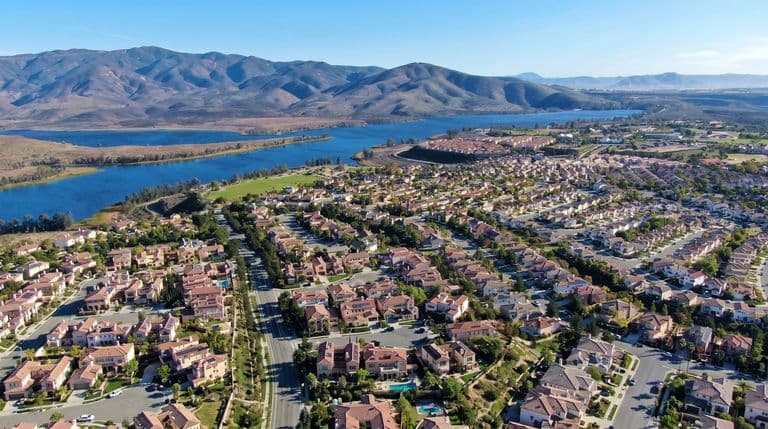
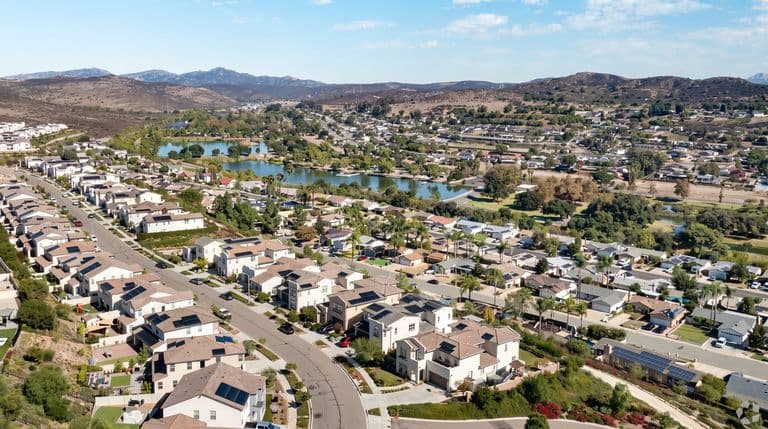
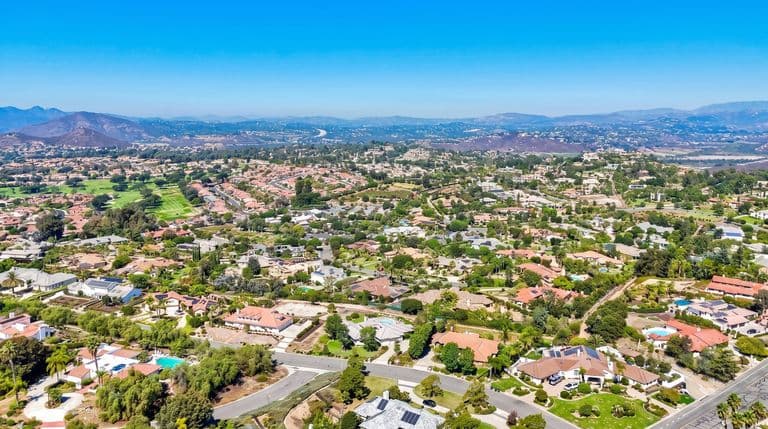
Chula Vista is the second-largest city in San Diego County, a 50-square-mile sweep of land that runs from the salt marshes of south San Diego Bay east past Interstate 805 to the Otay Lakes. It incorporated in 1911 on land that had been subdivided for lemon groves after Sweetwater Dam was finished in 1888, and for decades it billed itself as the lemon capital of the world. The 2020 census counted 275,487 residents. The city divides roughly into two halves. West of I-805 is the older Chula Vista of Third Avenue storefronts, postwar ranch houses, the marina and the Living Coast Discovery Center on Gunpowder Point. East of the freeway are the master-planned communities that began with Eastlake in 1986 and Otay Ranch in 1999, built around parks, village cores and highly rated elementary schools. The population is majority Latino, with a large Filipino community, and many households have ties across the border in Tijuana. The biggest recent change is on the water. Gaylord Pacific Resort and Convention Center, a $1.3 billion, 1,600-room hotel, opened on the bayfront in May 2025 as the anchor of a 535-acre redevelopment with new parks and shoreline access. Inland, the city bought the Olympic training center in 2017, and development continues on the eastern mesas toward the planned university and innovation district. Home prices sit near the county's middle, lower than coastal North County but well above national norms.
Draws
Tradeoffs
Good for: Families and cross-border households who want more house for the money and can live with a commute.
Western Chula Vista near the bay stays mild year-round under the marine layer, with gray mornings common in May and June and afternoon highs rarely far from the mid-70s in late summer. The eastern half of the city, several miles inland on higher mesas, typically runs warmer on summer afternoons and cooler on winter nights than the bayside station records. Rain is concentrated from December through March, and Santa Ana wind events in fall bring the hottest, driest days.
Aug avg high
Jan avg low
Annual rain
Best time to visit: September and October bring the warmest ocean-influenced weather with the least fog, while March and April offer green hillsides and mild temperatures.
Typical home value $822,053 (+2.1% year over year) · median rent $2,229
West of I-805 the stock is mostly 1940s-1970s single-family ranch houses on standard lots, plus apartments and mobile home parks along Broadway and Third Avenue. East of the freeway, Eastlake and Otay Ranch are 1990s-2020s tract homes, townhomes and condos organized into villages with HOAs and Mello-Roos assessments.
Freeways: I-5, I-805, SR-54, SR-125
Transit: The UC San Diego Blue Line trolley stops at E Street, H Street and Palomar Street in western Chula Vista; the Rapid 225 South Bay Rapid bus links Otay Ranch and Eastlake to downtown San Diego.
Parking: Street and lot parking is generally easy outside Third Avenue event days and summer concert nights at the amphitheater.
Walkability: Third Avenue and the blocks around it are walkable, while most of the eastern half of the city is car-oriented.
For many families, yes. It offers a range from older ranch houses in the west to newer planned villages in the east, a median sale price around $822,000 in June 2026, and a mild climate. The main drawbacks are commute traffic and HOA and Mello-Roos costs in newer areas.
Redfin reported a median sale price of $822,053 in June 2026, up 2.1% from a year earlier. Census survey data put the median owner-occupied home value at $758,700 for 2020-2024, and prices run higher in Eastlake, Otay Ranch and Bonita-adjacent neighborhoods.
Mild. NOAA 1991-2020 normals at the Chula Vista station show January highs near 67.5 F and lows near 46.5 F, August highs near 76.9 F, and about 9.2 inches of rain a year. Eastern neighborhoods run warmer in summer.
Its lemon-growing history, the Olympic training center at Lower Otay Reservoir, the Living Coast Discovery Center and, since 2025, the Gaylord Pacific resort on the bayfront. It is also the second-largest city in the county with about 275,000 residents.
The southern edge of the city is only a few miles from the San Ysidro and Otay Mesa ports of entry, and the Blue Line trolley runs from western Chula Vista to the San Ysidro border station.