Things to do in El Cajon
Home to one of the largest Iraqi and Chaldean communities in the country, and the Middle Eastern food that comes with it.

Things to do
Where to go and what to see across the county — pick a neighborhood for the local rundown, or start with the attractions everyone should see at least once.
Home to one of the largest Iraqi and Chaldean communities in the country, and the Middle Eastern food that comes with it.
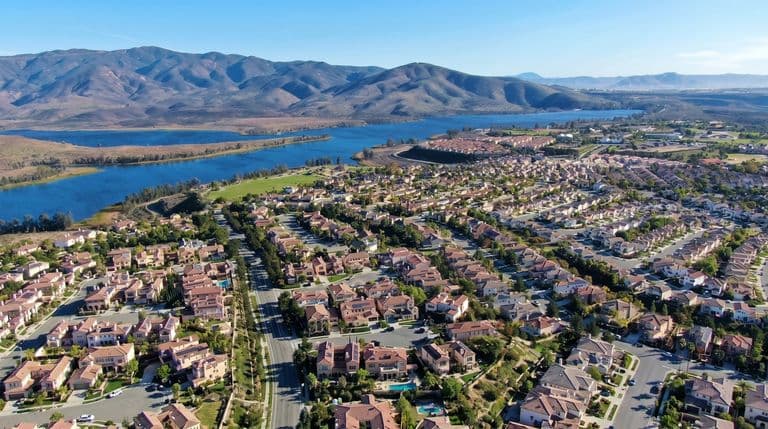
The second largest city in the county — a bayfront under construction, Third Avenue, and the eastern master-planned half.
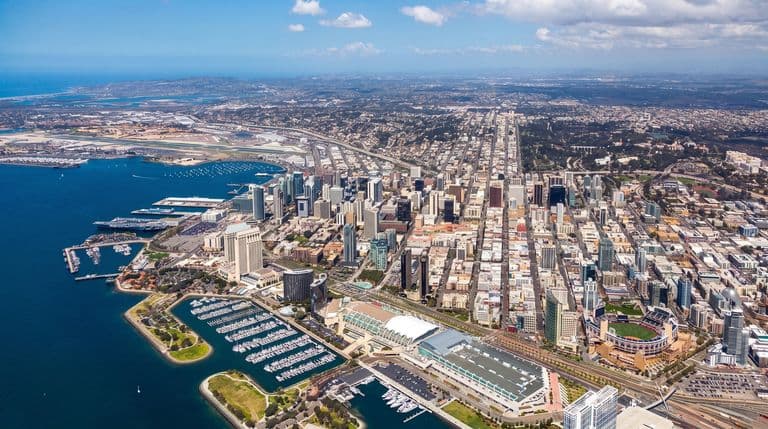
Ballpark, convention center, and the highest concentration of new residential towers the city has ever built.
Craft beer origin story, 30th Street, and the densest run of independent restaurants in the city.
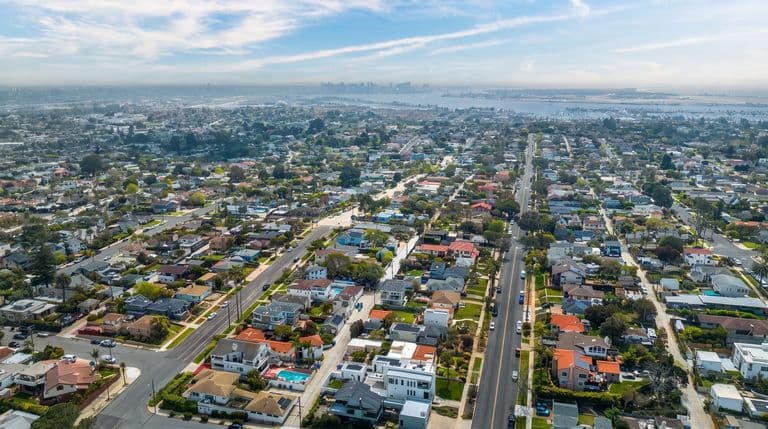
Peninsula of Navy housing, Liberty Station, and the tide pools at Cabrillo. Sunset Cliffs on the ocean side.
Up the 8 at 2,000 feet — oak country, a distinct climate, and the last stop before the desert.
Craftsman mansions and quiet fine dining on the western edge of Balboa Park, with the canyon bridges in between.
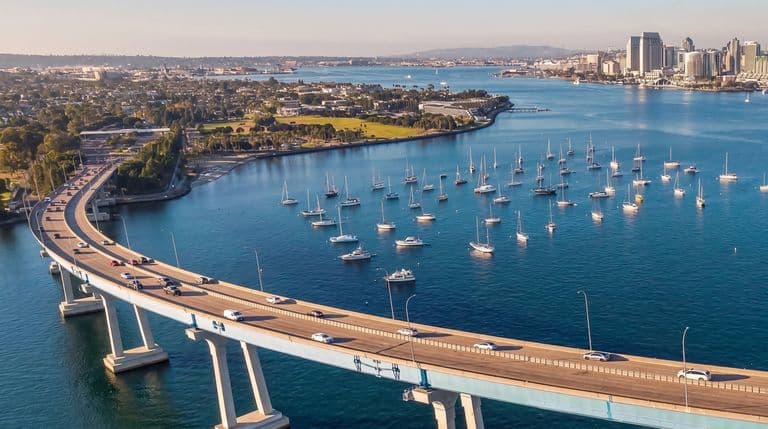
An island that is not one. The Hotel Del, a Navy air station, and the bridge that defines the skyline from downtown.
The largest downtown neighborhood and the one changing fastest — breweries, towers, and the hardest civic questions in the city.
Sixteen Victorian blocks doing the heaviest nightlife lifting in the county, currently mid-reinvention toward daytime.
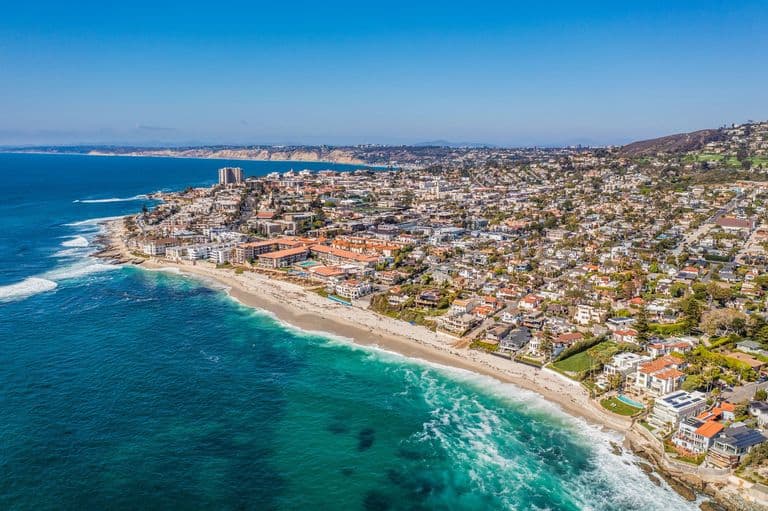
Cliffs, coves and the highest commercial rents in the county. Old money, biotech money, and sea lions that predate both.
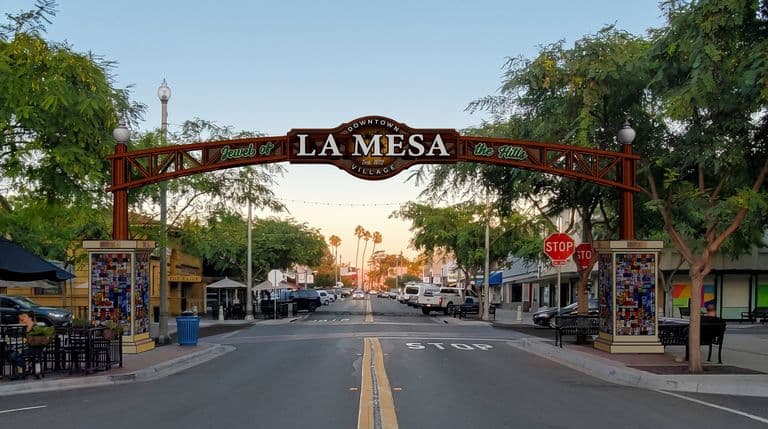
The Village — a genuine small-town main street with the trolley running through it, eight miles from downtown.
Rodeo grounds, the river, and the rural edge of the county where the suburbs stop.
India Street, the Saturday Mercato, and the piazzas that turned a freeway-severed district into the busiest dining strip downtown.
Newport Avenue antique shops, the longest pier on the West Coast, and a farmers market that doubles as a town meeting.
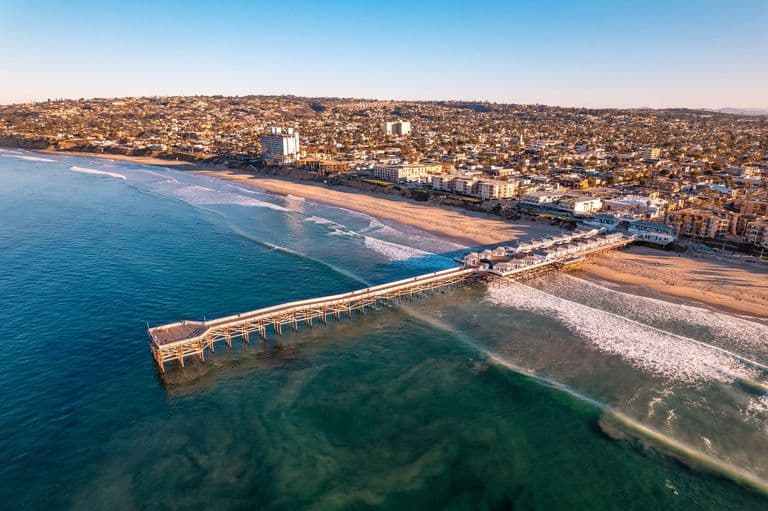
Garnet Avenue, the boardwalk, and a long argument about what the neighborhood should be when it grows up.
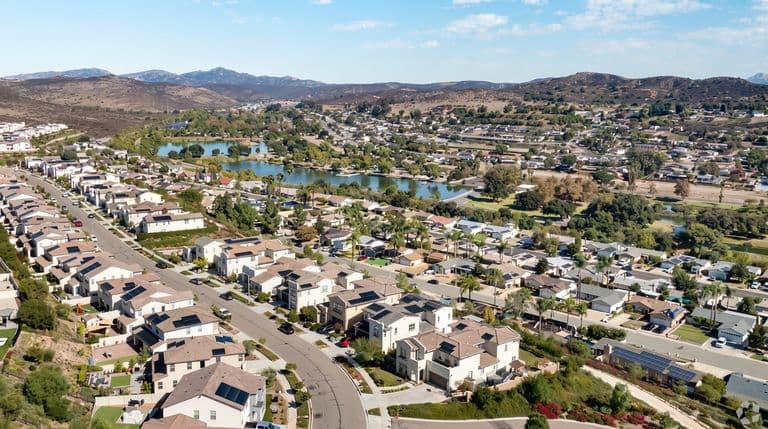
River park trails, the eastern end of the trolley, and a downtown plan that has been in motion for a decade.
Four walkable corners of shops and small kitchens, hemmed in by canyons and fiercely protective of the scale.
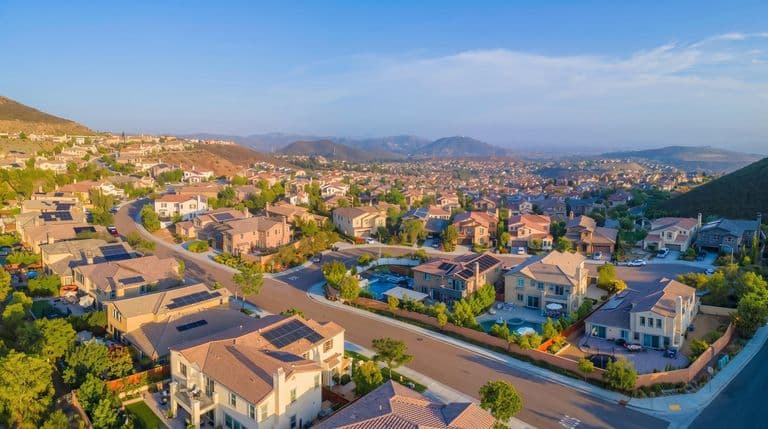
A brewery district that rivals North Park, a walkable old downtown, and far less traffic than the coast.
Chicano Park murals under the bridge, Logan Avenue galleries and taquerias, and an ongoing fight over industrial zoning.
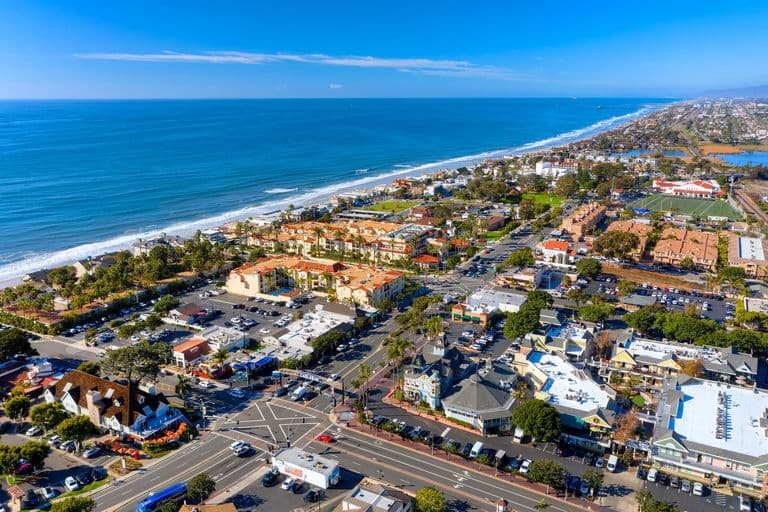
Village core, a lagoon system, and the golf-and-tech corridor inland. Bigger and less uniform than visitors assume.
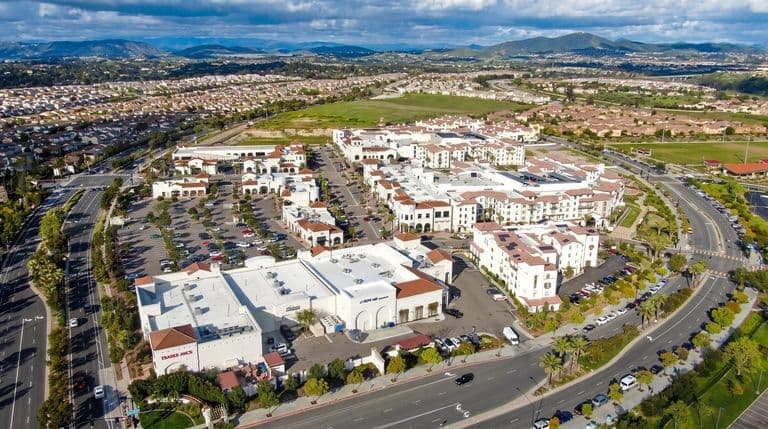
Master-planned, high-performing schools, and the corporate campuses along the 56 corridor.
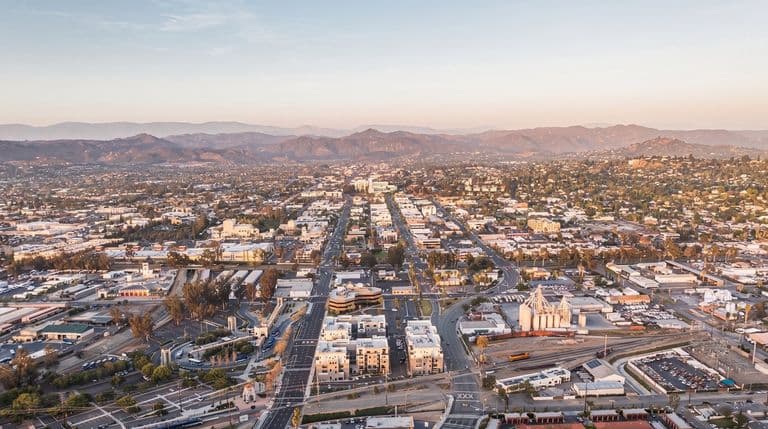
North County inland hub — Grand Avenue, the California Center for the Arts, and a downtown food scene that keeps surprising people.
The heart of LGBTQ San Diego, a Sunday farmers market, and a University Avenue corridor arguing about its own redevelopment.
The last beach before Mexico, a serious surf history, and a water-quality fight that is now a national story.
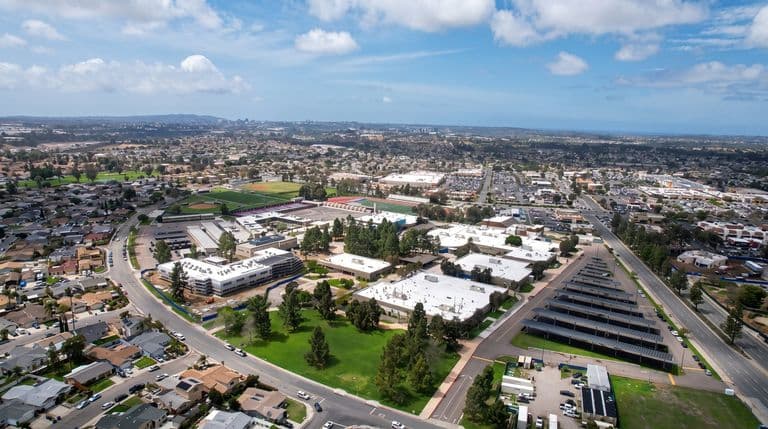
Mira Mesa Boulevard strip malls hiding some of the best Filipino, Vietnamese and Indian food in the region.
The original settlement, now a state park and a tourist corridor, with the county archives and some genuinely good Mexican food.
Backcountry wine, horse property and a main street that has nothing to do with the coast.
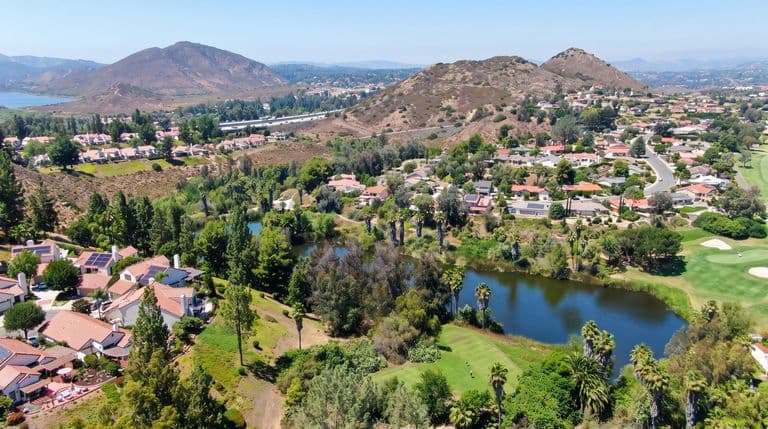
Golf, corporate parks and retirement communities, with a business corridor that outlasted several tech cycles.
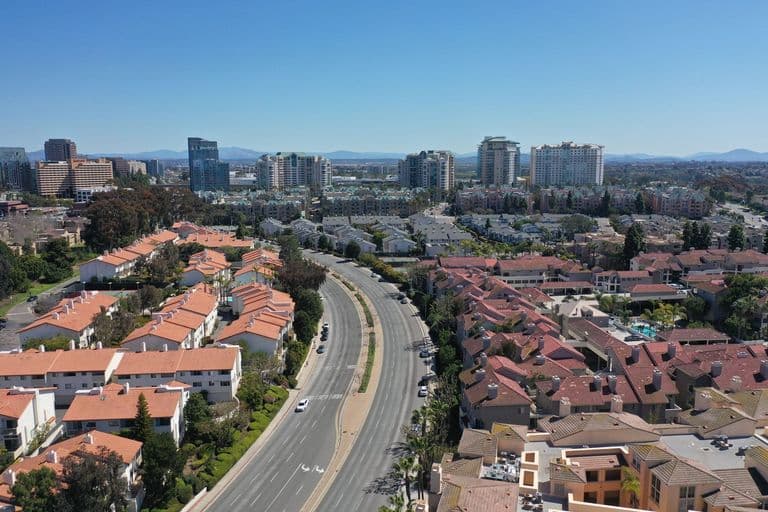
UTC mall, the UCSD edge, and the densest job cluster in the county outside downtown.
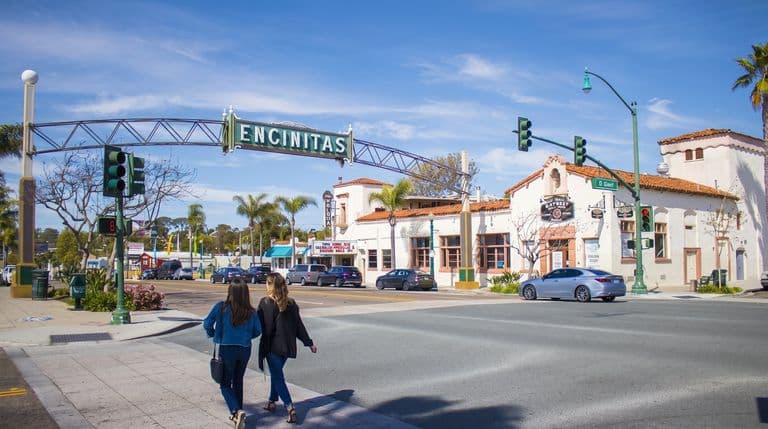
Surf town that grew up without entirely agreeing to. Five communities under one city name, each convinced it is the real one.
Victorians on the edge of Balboa Park, 25th Street, and a view of downtown you cannot get anywhere else.
A small village center with the Ken Cinema, Spanish revival streets, and nothing much taller than two stories.
Malls, the river, the stadium site turned campus, and a transit spine the rest of the city keeps arguing about.
The Mile of Cars, a working port, and one of the oldest Filipino communities on the West Coast.
Adams Avenue dive bars, vintage stores and street fairs, on a mesa above the 15.
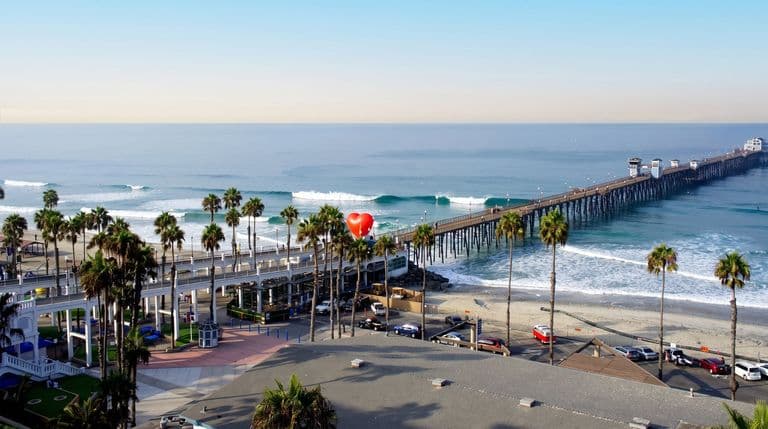
The pier, the harbor, and a downtown that has changed faster in five years than in the previous thirty.
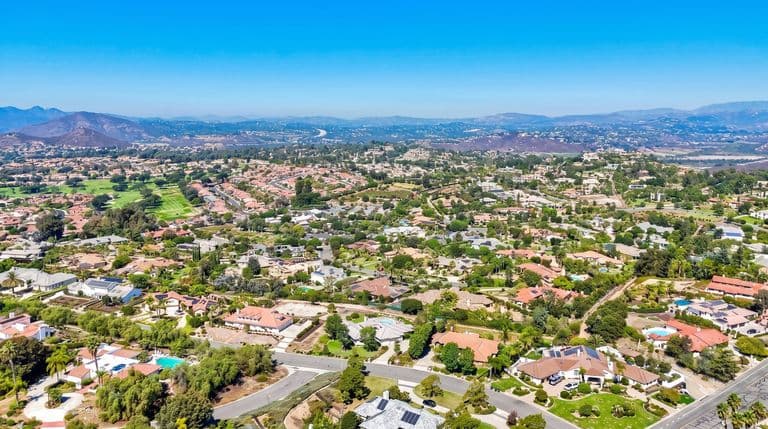
Its own city, "the city in the country," with horse trails, Lake Poway and a strong school district.
Cal State San Marcos, Restaurant Row, and the fastest residential growth in North County inland.
Unincorporated and often overlooked, with strong Filipino and Latino communities and some of the best carne asada in the county.
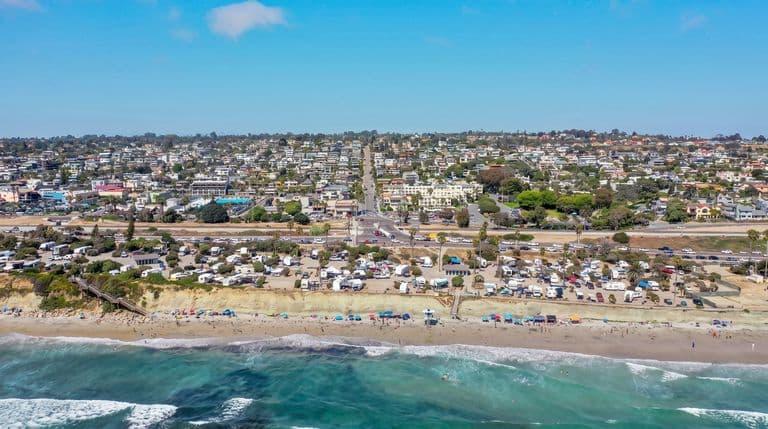
Seaside Reef, the Kook statue, and restaurant row on the bluff with the best sunset seating in North County.
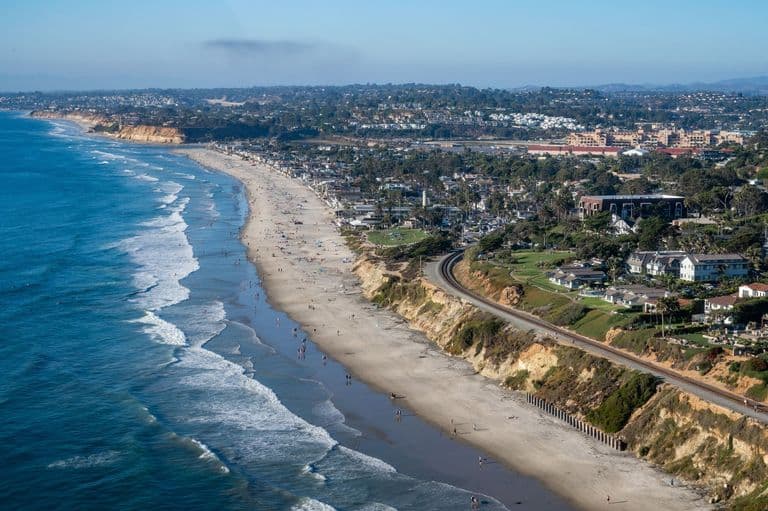
Fifteen blocks of village between the racetrack and the bluff, and a fight over the fairgrounds in every election cycle.
Master-planned Chula Vista — lakes, trails and the retail core that serves the eastern South Bay.
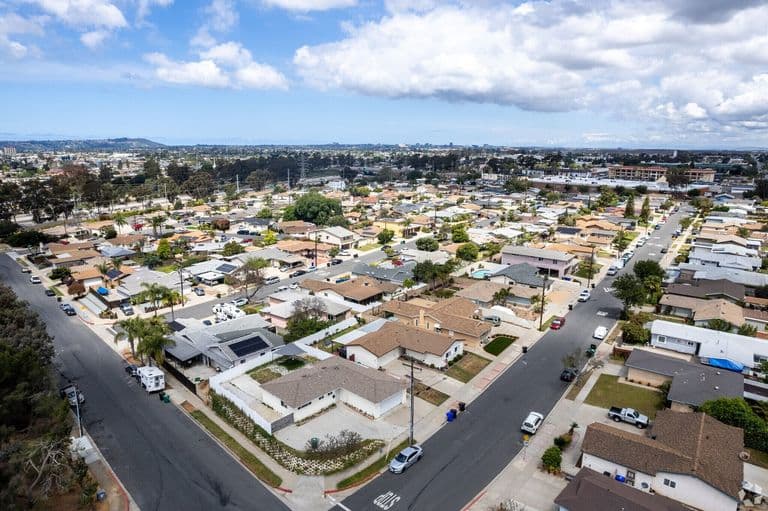
Convoy Street — the best Asian food corridor in Southern California — wrapped in light industrial and car dealerships.
Eucalyptus over the 101, funky by ordinance, and the last stretch of coast highway that still feels unplanned.
One of the oldest neighborhoods in the city, with deep community institutions and the most contested air quality in the county.
Two blocks wide, ocean to bay, with Belmont Park in the middle and nowhere to park anywhere.
Canyon-edge homes above Old Town, a compact Washington Street business strip, and the best-preserved early architecture in the city.
The newest large-scale development in the county, still adding neighborhoods and the schools to go with them.
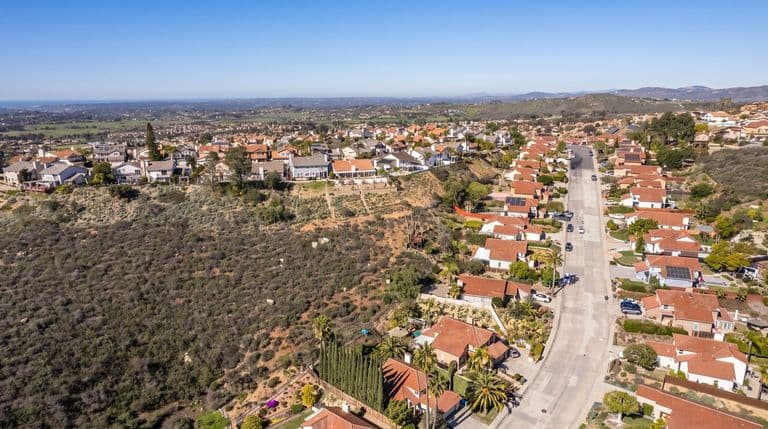
Canyon preserve, suburban grid, and a commute that explains most of the traffic on the 15.
Eucalyptus groves, Lake Miramar, and a community that rebuilt itself after the 2003 Cedar Fire.
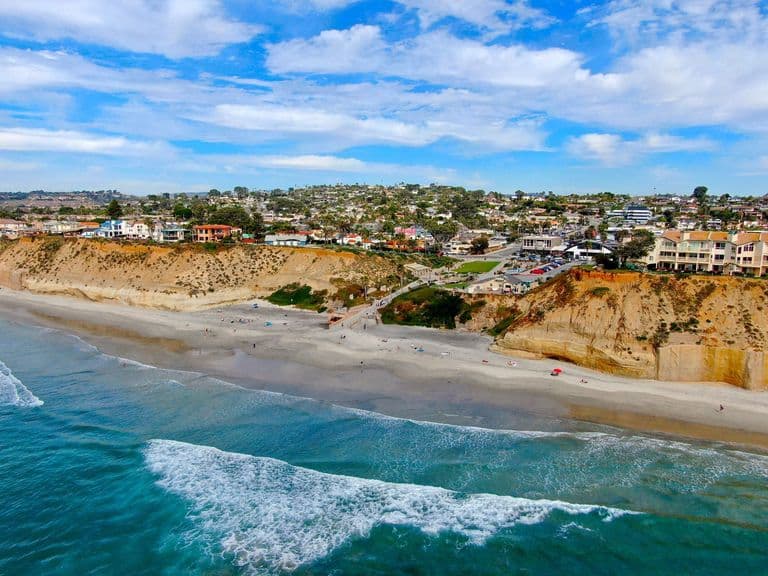
Cedros Avenue design district, the Belly Up, and the quietest stretch of the 101 north of Torrey Pines.
Park Boulevard and Adams Avenue, the old trolley sign, and some of the best-value dining in the urban core.
The most linguistically diverse square miles in the county, with El Cajon Boulevard and University Avenue running through.
The busiest land border crossing in the Western Hemisphere, and a community that lives on both sides of it.
Horse trails and large lots in the valley between Chula Vista and the 805, deliberately unincorporated.
Gated street entrances, 1920s Spanish homes, and a quiet grid tucked between Kensington and City Heights.
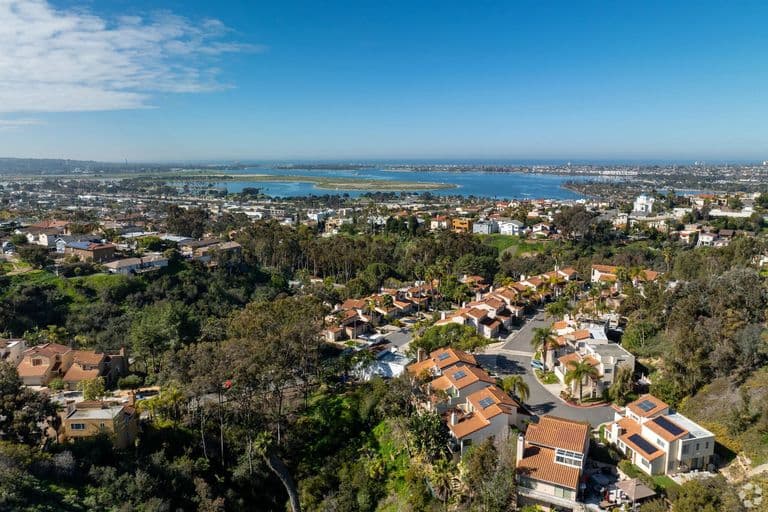
Postwar tract housing across four mesas and the canyons between them, now the front line of the missing-middle housing debate.
A WWII housing project that became one of the most ethnically mixed neighborhoods in the county, with the food to match.
The 1,200-acre cultural heart of San Diego — 17 museums, gardens, the Old Globe theaters and Spanish Revival architecture along El Prado. Free to enter; museums ticket separately.
A beachfront amusement park on the Mission Beach boardwalk, home to the 1925 Giant Dipper wooden roller coaster. Free to enter; rides ticket separately.
Scripps Institution's public aquarium on a La Jolla bluff — tide-pool touch tanks, a two-story kelp forest and big ocean views.
The tip of Point Loma, where Cabrillo landed in 1542 — sweeping harbor views, a historic lighthouse and some of the county's best tide pools.
Under the Coronado Bridge in Barrio Logan, the world's largest collection of outdoor Chicano murals — a National Historic Landmark.
Wide, gold-flecked sand regularly ranked among the country's best beaches, in the shadow of the Hotel Del.
The 1888 beachfront 'Hotel Del' — a red-roofed Victorian landmark worth visiting for the beach, shops and history even without a room.
A postcard cove where sea lions and seals haul out on the rocks — snorkeling, kayaking and clifftop views over the ecological reserve.
A Lego-themed park in Carlsbad built for younger kids, with rides, an aquarium and a water park.
A former naval training center turned arts, food and shopping district, with galleries, a public market and walkable waterfront paths.
A fleet of historic ships on the harbor, anchored by the 1863 Star of India — the world's oldest active sailing ship — plus submarines you can climb through.
A hilltop veterans memorial with one of the widest 360-degree views in the county, from the coast to the mountains.